
The Best Type of Moisturizer for Dry Skin
Introduction
Dry skin can feel tight, flaky, uncomfortable, and easily irritated — and without the right moisturizer, makeup doesn’t sit well, skincare absorbs unevenly, and your skin barrier becomes more vulnerable. The good news is that the perfect moisturizer does exist for every level of dryness. The key is understanding what a moisturizer actually is, how it works, and which types are best suited for dry, sensitive, or dehydrated skin.
This guide breaks down everything you need to know about choosing the best moisturizer for dry skin, including the different textures available and how each one supports hydration and barrier repair.
What Exactly Is a Moisturizer?
A moisturizer is any skincare product designed to hydrate the skin and prevent moisture loss.
It’s not defined by texture — it’s defined by function.
A moisturizer typically contains three types of ingredients:
1. Humectants (Hydration Boosters)
These draw water into the skin.
Common humectants include:
- Hyaluronic acid
- Glycerin
- Urea
- Panthenol
- Aloe vera
2. Emollients (Softeners)
These smooth rough or flaky skin by filling in gaps between skin cells.
Examples:
- Squalane
- Fatty acids
- Ceramides
- Plant oils
3. Occlusives (Moisture Sealers)
These create a protective layer that prevents water from evaporating.
Examples:
- Petrolatum
- Shea butter
- Beeswax
- Lanolin
A good moisturizer for dry skin usually contains all three, with a richer balance of emollients and occlusives.
Types of Moisturizers for Dry Skin
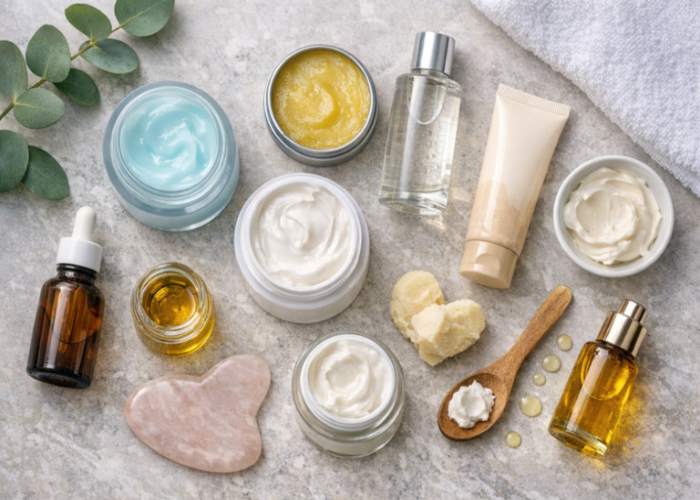
Moisturizers come in many textures — and each one serves a different purpose.
Here’s a breakdown of the most common types and how they benefit dry skin.
1. Gel Moisturizers
Texture: Lightweight, water‑based, fast‑absorbing
Best for: Dehydrated skin, combination‑dry skin, warm climates
Gel moisturizers are packed with humectants like hyaluronic acid and glycerin. While they’re not rich enough on their own for very dry skin, they’re excellent for layering under a cream or for people who want hydration without heaviness.
Why they work:
- Provide a burst of hydration
- Absorb quickly
- Great for layering under makeup
Tip: Pair a gel moisturizer with a cream at night for deeper nourishment.
2. Lotion Moisturizers
Texture: Lightweight to medium, more fluid than creams
Best for: Mild to moderate dryness
Lotions offer a balance of hydration and comfort without feeling heavy. They’re ideal for daytime use or for people who want moisture without a thick finish.
Why they work:
- Hydrate without greasiness
- Absorb easily
- Suitable for sensitive skin
Tip: Look for lotions with ceramides or squalane for extra barrier support.
3. Cream Moisturizers
Texture: Rich, creamy, nourishing
Best for: Dry, very dry, or mature skin
Creams are the classic choice for dry skin. They contain higher levels of emollients and occlusives, making them ideal for restoring softness and preventing moisture loss.
Why they work:
- Deeply hydrating
- Strengthen the skin barrier
- Reduce flakiness and tightness
Tip: Use a cream at night or during winter when dryness is at its worst.
4. Balms
Texture: Thick, buttery, occlusive
Best for: Extremely dry, cracked, irritated, or compromised skin
Balms are ultra‑rich and contain high levels of occlusives like shea butter, beeswax, or petrolatum. They’re perfect for sealing in moisture and protecting the skin barrier.
Why they work:
- Lock in hydration
- Protect against harsh weather
- Soothe irritation and rough patches
Tip: Use balms as a final step at night or on dry areas like cheeks, around the nose, or lips.
5. Ointments
Texture: Very thick, greasy, medical‑grade occlusive
Best for: Severely dry, cracked, or eczema‑prone skin
Ointments (like petrolatum‑based products) are the most occlusive moisturizers available. They’re not for everyday use on the entire face, but they’re excellent for repairing damaged skin.
Why they work:
- Prevent 99% of moisture loss
- Heal compromised skin
- Ideal for slugging or spot‑treating dry patches
Tip: Apply a thin layer over your regular moisturizer to lock everything in.
6. Emulsions
Texture: Lightweight, milky, fluid
Best for: Dehydrated skin, layering routines, combination‑dry skin
Emulsions are often used in Korean and Japanese skincare routines. They’re lighter than creams but more nourishing than gels.
Why they work:
- Add hydration without heaviness
- Layer beautifully under creams
- Great for multi‑step routines
Tip: Use an emulsion before your cream for a hydration boost.
7. Moisturizing Serums
Texture: Thin, concentrated, fast‑absorbing
Best for: Dehydrated skin, dullness, tightness
Moisturizing serums are packed with humectants and are designed to deliver hydration deep into the skin. They’re not enough on their own for dry skin but are essential for layering.
Why they work:
- Provide deep hydration
- Boost the effectiveness of your moisturizer
- Improve plumpness and smoothness
Tip: Apply a hydrating serum before your moisturizer to maximize absorption.
How to Choose the Best Moisturizer for Dry Skin
When selecting a moisturizer, look for these key features:
✔ Ceramides
Strengthen the skin barrier and prevent moisture loss.
✔ Hyaluronic Acid or Glycerin
Boost hydration and plumpness.
✔ Squalane or Plant Oils
Provide lightweight nourishment.
✔ Shea Butter or Petrolatum
Seal in moisture and protect the skin.
✔ Fragrance‑Free Formulas
Reduce irritation for sensitive dry skin.
✔ Non‑Comedogenic Options
Prevent clogged pores while still offering rich hydration.
Tips for Getting the Most Out of Your Moisturizer
1. Apply to Damp Skin
Moisturizer absorbs better and traps water inside the skin.
2. Layer Your Hydration
Try:
Serum → Emulsion → Cream → Balm (optional)
3. Adjust Seasonally
- Winter: Creams + balms
- Summer: Lotions + gels
4. Don’t Skip Your Neck
Dryness shows quickly in this area.
5. Patch Test New Products
Dry skin can be sensitive — always test first.
Conclusion
The best moisturizer for dry skin is one that hydrates deeply, supports your skin barrier, and feels comfortable on your skin. Whether you prefer a lightweight gel, a silky lotion, a rich cream, or an ultra‑nourishing balm, there’s a perfect formula out there for you.
Understanding the different types of moisturizers — and how they work — makes it easier to build a routine that keeps your skin soft, smooth, and glowing every day.
🗨️ Reader Comments