<?xml version="1.0" encoding="utf-8"?><feed xmlns="http://www.w3.org/2005/Atom" ><generator uri="https://jekyllrb.com/" version="3.10.0">Jekyll</generator><link href="https://beautyblurbs.com/feed.xml" rel="self" type="application/atom+xml" /><link href="https://beautyblurbs.com/" rel="alternate" type="text/html" /><updated>2026-04-04T20:24:32+00:00</updated><id>https://beautyblurbs.com/feed.xml</id><title type="html">Beauty Blurbs</title><subtitle>Discover Beauty Blurbs. Your daily dose of beauty blurbs. Tiny tips with big beauty impact. You can look forward to beauty tips, honest product reviews, and a fresh take on self-care. Whether you&apos;re here to explore trends or embrace your natural glow, Beauty~Bitz is your companion on the journey to feeling your best</subtitle><entry><title type="html">Natural vs. Synthetic Retinol: Which One Is Right for Your Skin?</title><link href="https://beautyblurbs.com/natural-vs-synthetic-retinol/" rel="alternate" type="text/html" title="Natural vs. Synthetic Retinol: Which One Is Right for Your Skin?" /><published>2026-03-25T00:00:00+00:00</published><updated>2026-03-25T00:00:00+00:00</updated><id>https://beautyblurbs.com/natural-vs-synthetic-retinol</id><content type="html" xml:base="https://beautyblurbs.com/natural-vs-synthetic-retinol/"><![CDATA[<figure>
  <img src="/assets/images/Skin/natural-synthetic-retinol.webp" alt="Natural Retinol vs. Synthetic Retinol" />
  <figcaption>Image on Freepik</figcaption>
</figure>

<h2 id="introduction">Introduction</h2>

<p>Retinol has earned a strong reputation in the skincare world for its ability to improve skin texture, reduce visible aging, and promote renewal. However, not all retinol products are the same. One of the most common questions people face is whether to choose natural, plant-based alternatives or traditional synthetic retinol.</p>

<p>Understanding how each option works—and how it fits your skin’s needs—can help you make a more confident and effective choice.</p>

<h2 id="natural-retinol-a-gentler-approach-to-skin-renewal">Natural Retinol: A Gentler Approach to Skin Renewal</h2>

<p>Natural retinol alternatives are derived from plants and are designed to mimic the effects of traditional retinol without causing as much irritation. Ingredients such as bakuchiol, rosehip oil, and carrot seed oil are popular options known for supporting smoother, healthier-looking skin.</p>

<p>These plant-based ingredients can help improve the appearance of fine lines, uneven tone, and loss of elasticity while also providing hydration. Because they are often rich in antioxidants and essential nutrients, they support overall skin health in a more balanced and nourishing way.</p>

<p>For many people—especially those with sensitive skin—natural retinol offers a more comfortable introduction to skin renewal without the harsh side effects commonly associated with stronger treatments.</p>

<h3 id="benefits-of-natural-retinol">Benefits of Natural Retinol</h3>

<ul>
  <li><strong>Gentle and soothing:</strong> Helps maintain moisture and reduces the likelihood of dryness or irritation.</li>
  <li><strong>No intense adjustment phase:</strong> Unlike synthetic retinol, it typically doesn’t cause peeling or purging.</li>
  <li><strong>Suitable for sensitive skin:</strong> A milder option for those who react easily to active ingredients.</li>
  <li><strong>Pregnancy-friendly (in most cases):</strong> Many plant-based alternatives are considered safer, though it’s always best to consult a professional.</li>
  <li><strong>Environmentally conscious:</strong> Often sourced from sustainable, plant-based ingredients.</li>
  <li><strong>Rich in antioxidants:</strong> Supports skin protection against environmental stressors.</li>
  <li><strong>Easy to combine with other products:</strong> Works well alongside vitamin C, acids, and other skincare ingredients.</li>
  <li><strong>Cost-effective:</strong> Frequently more affordable than high-strength synthetic formulas.</li>
</ul>

<h3 id="drawbacks-of-natural-retinol">Drawbacks of Natural Retinol</h3>

<ul>
  <li><strong>Slower visible results:</strong> Improvements may take longer to appear.</li>
  <li><strong>Less intensive effects:</strong> May not be strong enough for deep wrinkles or persistent acne.</li>
  <li><strong>Limited clinical research:</strong> Some ingredients lack extensive scientific studies.</li>
  <li><strong>Not as potent as prescription options:</strong> Results are generally more gradual and subtle.</li>
</ul>

<h2 id="synthetic-retinol-a-results-driven-powerhouse">Synthetic Retinol: A Results-Driven Powerhouse</h2>

<p>Synthetic retinol, derived from vitamin A, is widely regarded as one of the most effective ingredients in skincare. It works by accelerating cell turnover and stimulating collagen production, leading to smoother, firmer, and clearer skin over time.</p>

<p>Because of its strength and proven track record, it is often recommended by dermatologists for treating concerns such as fine lines, acne, and hyperpigmentation.</p>

<h3 id="benefits-of-synthetic-retinol">Benefits of Synthetic Retinol</h3>

<ul>
  <li><strong>Clinically proven results:</strong> Strong scientific backing for reducing wrinkles and improving skin texture.</li>
  <li><strong>Faster improvements:</strong> Visible changes can occur within weeks with consistent use.</li>
  <li><strong>Targets multiple concerns:</strong> Helps with acne, dark spots, and uneven skin tone.</li>
  <li><strong>Clears pores:</strong> Reduces breakouts by preventing buildup in the skin.</li>
  <li><strong>Brightens complexion:</strong> Helps fade discoloration and promote a more even tone.</li>
  <li><strong>Customizable strength:</strong> Available in various concentrations, from mild to prescription-level.</li>
  <li><strong>Enhances product effectiveness:</strong> Can improve absorption of other skincare products.</li>
</ul>

<h3 id="drawbacks-of-synthetic-retinol">Drawbacks of Synthetic Retinol</h3>

<ul>
  <li><strong>Potential irritation:</strong> Redness, dryness, and peeling are common, especially at the start.</li>
  <li><strong>Increased sun sensitivity:</strong> Daily sunscreen is essential when using it.</li>
  <li><strong>Not recommended during pregnancy:</strong> Generally advised to avoid due to safety concerns.</li>
  <li><strong>Can overwhelm the skin barrier:</strong> Overuse may lead to dryness or sensitivity.</li>
  <li><strong>Higher cost:</strong> Quality formulations can be more expensive.</li>
</ul>

<h2 id="which-one-should-you-choose">Which One Should You Choose?</h2>

<p>The right choice depends on your skin type, goals, and tolerance level.</p>

<ul>
  <li><strong>Go for natural retinol</strong> if you have sensitive skin, prefer plant-based skincare, or want a gentler, more hydrating option.</li>
  <li><strong>Choose synthetic retinol</strong> if you’re looking for faster, more noticeable results or want to target deeper wrinkles, acne, or pigmentation concerns.</li>
</ul>

<blockquote>
  <p><strong>Tip:</strong> Consistency is key. Introduce products gradually, keep your skin well-moisturized, and always wear sunscreen during the day.</p>
</blockquote>

<h2 id="conclusion">Conclusion</h2>

<p>Both natural and synthetic retinol offer valuable benefits, but they serve different purposes. Natural alternatives provide a gentle, supportive approach to skin health, while synthetic retinol delivers faster, more dramatic results backed by extensive research.</p>

<p>Ultimately, the best option is the one that suits your skin’s needs and your personal preferences. Pay attention to how your skin responds, start slowly, and build a routine that helps you achieve healthy, glowing skin over time.</p>]]></content><author><name></name></author><category term="Skin Care" /><category term="retinol" /><category term="moisturizer" /><category term="cream" /><category term="face cream" /><category term="skincare" /><category term="beauty" /><category term="anti-aging" /><category term="natural skincare" /><summary type="html"><![CDATA[A guide to natural retinol vs. synthetic retinol and how to know which is best.]]></summary><media:thumbnail xmlns:media="http://search.yahoo.com/mrss/" url="https://beautyblurbs.com/assets/images/Skin/natural-synthetic-retinol.webp" /><media:content medium="image" url="https://beautyblurbs.com/assets/images/Skin/natural-synthetic-retinol.webp" xmlns:media="http://search.yahoo.com/mrss/" /></entry><entry><title type="html">How to Choose the Best Foundation for Dry Skin</title><link href="https://beautyblurbs.com/choose-the-best-foundation-for-dry-skin/" rel="alternate" type="text/html" title="How to Choose the Best Foundation for Dry Skin" /><published>2026-03-18T00:00:00+00:00</published><updated>2026-03-18T00:00:00+00:00</updated><id>https://beautyblurbs.com/choose-the-best-foundation-for-dry-skin</id><content type="html" xml:base="https://beautyblurbs.com/choose-the-best-foundation-for-dry-skin/"><![CDATA[<figure>
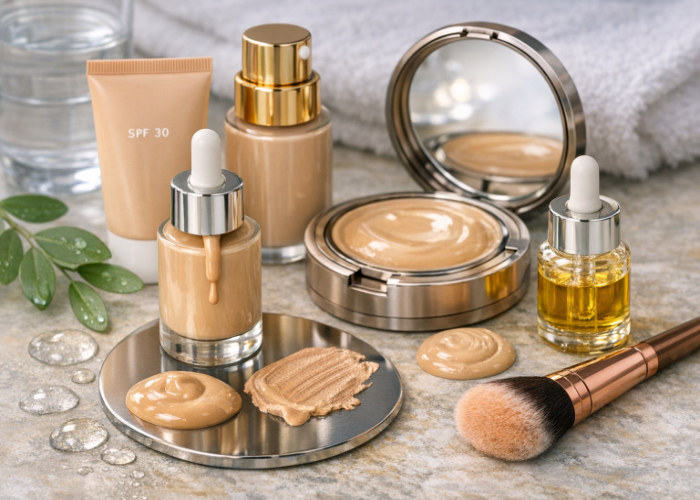
  <img src="/assets/images/Cosmetics/best-foundation-for-dry-skin-700.webp" alt="Best Foundation for Dry Skin" />
  <figcaption></figcaption>
</figure>

<h2 id="introduction">Introduction</h2>

<p>For anyone with dry or dehydrated skin, finding a foundation that looks smooth, fresh, and comfortable can feel like a never‑ending search. Many formulas promise hydration, but not all of them deliver—some cling to dry patches, settle into fine lines, or leave the complexion looking dull. The good news is that with the right ingredients and finish, foundation can actually <em>support</em> your skin rather than fight against it.</p>

<p>This guide breaks down what to look for, what to avoid, and how to choose a formula that keeps your skin looking healthy and radiant all day.</p>

<h2 id="what-to-look-for-in-a-foundation-for-dry-skin">What to Look For in a Foundation for Dry Skin</h2>

<h3 id="-hydrating-ingredients">💧 Hydrating Ingredients</h3>
<p>Dry skin thrives with moisture‑boosting formulas. Look for foundations that include:</p>

<ul>
  <li><strong>Hyaluronic acid</strong> – draws water into the skin</li>
  <li><strong>Glycerin</strong> – a classic humectant that prevents moisture loss</li>
  <li><strong>Squalane, jojoba oil, argan oil, or other lightweight oils</strong> – help soften and smooth the skin</li>
  <li><strong>Ceramides</strong> – support the skin barrier</li>
</ul>

<p>These ingredients help prevent tightness, flaking, and that uncomfortable “foundation sitting on top of the skin” feeling.</p>

<h3 id="-dewy-or-luminous-finish">✨ Dewy or Luminous Finish</h3>
<p>A radiant finish is ideal for dry skin because it reflects light and gives the complexion a healthy glow. Dewy foundations also tend to be more flexible and less likely to emphasize texture.</p>

<p><strong>Avoid:</strong></p>
<ul>
  <li>Matte foundations</li>
  <li>Powder foundations</li>
  <li>Long‑wear formulas marketed as “oil‑control”</li>
</ul>

<p>These can make dryness more noticeable.</p>

<h3 id="-cream-or-liquid-formulas">🧴 Cream or Liquid Formulas</h3>
<p>Cream and liquid foundations blend more easily into dry skin and typically contain more emollients than powder formulas. They’re also less likely to settle into fine lines.</p>

<h3 id="-choose-the-right-coverage">🎨 Choose the Right Coverage</h3>
<p>Your preferred coverage depends on your goals:</p>

<ul>
  <li><strong>Light to medium coverage</strong> – great for evening out tone while keeping the skin looking natural</li>
  <li><strong>Medium to full coverage</strong> – helpful for covering redness, discoloration, or uneven texture</li>
</ul>

<p>Dry skin often looks best with flexible, buildable formulas rather than heavy, opaque ones.</p>

<h3 id="-noncomedogenic-options">🌿 Non‑Comedogenic Options</h3>
<p>If your skin is both dry <em>and</em> sensitive or breakout‑prone, look for foundations labeled <strong>non‑comedogenic</strong>. This simply means they’re less likely to clog pores.</p>

<h3 id="-spf-optional-but-helpful">🌞 SPF (Optional but Helpful)</h3>
<p>Some foundations include SPF, which adds a layer of protection against UV damage. It shouldn’t replace your daily sunscreen, but it’s a nice bonus.</p>

<h3 id="-longevity-without-the-dryness">⏳ Longevity Without the Dryness</h3>
<p>Hydrating foundations tend to wear better on dry skin because they don’t crack or separate as the day goes on. Look for formulas described as:</p>

<ul>
  <li>“Long‑lasting hydration”</li>
  <li>“Skin‑like finish”</li>
  <li>“Flexible wear”</li>
</ul>

<p>These usually indicate a comfortable, breathable formula.</p>

<h2 id="final-thoughts">Final Thoughts</h2>

<p>Choosing the best foundation for dry skin comes down to understanding what your skin needs: moisture, flexibility, and a finish that enhances your natural glow. By focusing on hydrating ingredients, dewy textures, and formulas that support the skin barrier, you can achieve a smooth, radiant complexion without emphasizing dryness.</p>

<p>Don’t be afraid to experiment—sometimes the perfect match is a combination of the right prep, the right formula, and the right application technique. With the right foundation, dry skin can look fresh, luminous, and beautifully healthy.</p>]]></content><author><name></name></author><category term="Cosmetics" /><category term="foundation" /><category term="dry skin" /><category term="makeup tips" /><category term="skincare" /><summary type="html"><![CDATA[A clear, science‑backed guide to choosing hydrating, comfortable foundations for dry or dehydrated skin.]]></summary><media:thumbnail xmlns:media="http://search.yahoo.com/mrss/" url="https://beautyblurbs.com/assets/images/Cosmetics/best-foundation-for-dry-skin-700.webp" /><media:content medium="image" url="https://beautyblurbs.com/assets/images/Cosmetics/best-foundation-for-dry-skin-700.webp" xmlns:media="http://search.yahoo.com/mrss/" /></entry><entry><title type="html">How to Find the Best Blush for Sensitive Skin</title><link href="https://beautyblurbs.com/best-blush-for-sensitive-skin/" rel="alternate" type="text/html" title="How to Find the Best Blush for Sensitive Skin" /><published>2026-03-14T00:00:00+00:00</published><updated>2026-03-14T00:00:00+00:00</updated><id>https://beautyblurbs.com/best-blush-for-sensitive-skin</id><content type="html" xml:base="https://beautyblurbs.com/best-blush-for-sensitive-skin/"><![CDATA[<figure>
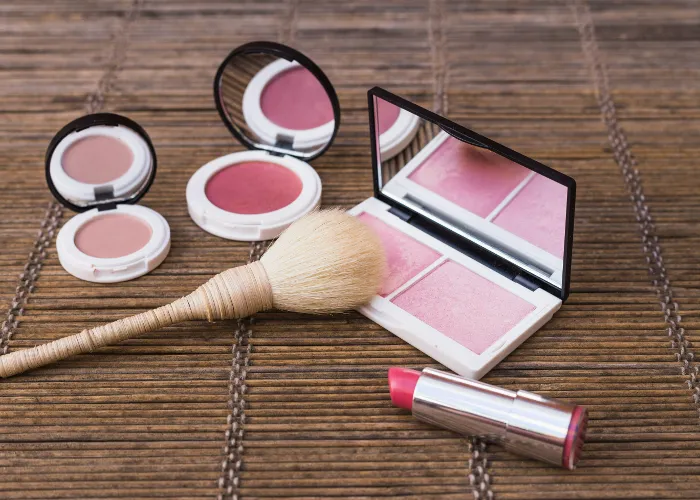
  <img src="/assets/images/Cosmetics/blush.webp" alt="Blush for Sensitive Skin" />
  <figcaption>Image on Freepik</figcaption>
</figure>

<h2 id="introduction">Introduction</h2>

<p>Finding the right blush can be a game-changer for achieving a healthy, radiant complexion—especially if you have sensitive skin. With countless options on the market, selecting a blush that enhances your look without causing irritation can feel overwhelming. Sensitive skin demands special consideration, particularly regarding ingredient sensitivity, formulation, and texture. In this blog post, we’ll guide you through how to find the best blush for sensitive skin and provide a curated list of the top 10 blushes, including their pros and cons.</p>

<h2 id="understanding-sensitive-skin-and-blush">Understanding Sensitive Skin and Blush</h2>

<p>Sensitive skin reacts more readily to environmental changes, harsh ingredients, or abrasive textures. For this reason, it’s essential to choose blushes that are free from common irritants such as artificial fragrances, parabens, and sulfates. Additionally, formulations that offer gentle, non-comedogenic ingredients are ideal for avoiding flare-ups and maintaining skin health.</p>

<h2 id="criteria-for-choosing-the-best-foundation-for-sensitive-skin">Criteria for Choosing the Best Foundation for Sensitive Skin</h2>

<p>Selecting the right foundation for sensitive skin requires careful consideration to ensure that your choice enhances your complexion without causing irritation or flare-ups. Here are some key criteria to guide you in choosing the best foundation for sensitive skin:</p>

<h3 id="1-ingredients">1. Ingredients</h3>

<h4 id="hypoallergenic">Hypoallergenic:</h4>
<p>Opt for foundations labeled as hypoallergenic to minimize the risk of allergic reactions and irritation.</p>

<h4 id="free-from-irritants">Free from Irritants:</h4>
<p>Avoid products with known irritants such as synthetic fragrances, parabens, sulfates, and alcohol. Look for foundations with soothing, non-toxic ingredients.</p>

<h4 id="dermatologist-tested">Dermatologist-Tested:</h4>
<p>Foundations that are dermatologist-tested are often safer for sensitive skin, as they are formulated with extra care to reduce the risk of adverse reactions.</p>

<h3 id="2-texture-and-finish">2. Texture and Finish</h3>

<h4 id="gentle-formulation">Gentle Formulation:</h4>
<p>Choose foundations with a lightweight, breathable texture. Heavy, thick formulas can clog pores and exacerbate sensitivity.</p>

<h4 id="non-comedogenic">Non-Comedogenic:</h4>
<p>Ensure the foundation is non-comedogenic (won’t clog pores), which is particularly important for sensitive skin that is prone to breakouts.</p>

<h4 id="finish">Finish:</h4>
<p>Opt for a finish that suits your skin type. Matte finishes can be great for oily skin, while dewy finishes can add hydration to dry or sensitive skin. Choose a finish that enhances your skin’s natural look without causing discomfort.</p>

<h3 id="3-coverage">3. Coverage</h3>

<h4 id="buildable-coverage">Buildable Coverage:</h4>
<p>A foundation with buildable coverage allows you to customize the amount of coverage you need without applying a heavy layer. This can help avoid irritation and maintain a natural appearance.</p>

<h4 id="avoid-full-coverage">Avoid Full Coverage:</h4>
<p>For sensitive skin, full-coverage foundations may be too heavy and can increase the risk of irritation. Light to medium coverage options are often more suitable.</p>

<h3 id="4-allergen-testing">4. Allergen Testing</h3>

<h4 id="patch-testing">Patch Testing:</h4>
<p>Before committing to a new foundation, perform a patch test to check for any adverse reactions. Apply a small amount of product on a discreet area of your skin and wait 24 hours to see if any irritation occurs.</p>

<h4 id="sensitivity-testing">Sensitivity Testing:</h4>
<p>Choose foundations that are tested for sensitivity, especially if you have highly reactive skin.</p>

<h3 id="5-skin-type-compatibility">5. Skin Type Compatibility</h3>

<h4 id="hydrating-ingredients">Hydrating Ingredients:</h4>
<p>For dry or sensitive skin, select foundations with hydrating ingredients like hyaluronic acid or glycerin to keep your skin moisturized and comfortable.</p>

<h3 id="6-brand-reputation">6. Brand Reputation</h3>

<h4 id="reputable-brands">Reputable Brands:</h4>
<p>Choose foundations from reputable brands known for their commitment to gentle, high-quality formulations. Brands with a strong focus on skincare and sensitive skin solutions are often a safer choice.</p>

<h3 id="7-texture-and-application">7. Texture and Application</h3>

<h4 id="ease-of-application">Ease of Application:</h4>
<p>Consider how the foundation applies to your skin. Creams and liquids are generally more hydrating and easier to blend, while powders can be less irritating for some people but might exacerbate dryness.</p>

<h4 id="application-tools">Application Tools:</h4>
<p>Use tools such as clean brushes, sponges, or fingers to apply foundation. Avoid using dirty tools that can harbor bacteria and irritate sensitive skin.</p>

<h3 id="8-fragrance-free">8. Fragrance-Free</h3>

<h4 id="avoid-fragrances">Avoid Fragrances:</h4>
<p>Fragrance-free foundations are less likely to cause irritation or allergic reactions. Fragrances can be a common irritant, so choosing products without added scents is generally safer for sensitive skin.</p>

<p>By considering these criteria, you can find a foundation that not only provides the coverage and finish you desire but also keeps your sensitive skin comfortable and irritation-free. Selecting the right product is essential for maintaining healthy, beautiful skin while minimizing the risk of adverse reactions.</p>

<h2 id="conclusion">Conclusion</h2>

<p>Choosing the best blush for sensitive skin involves more than just selecting a shade—it’s about finding a formula that soothes and enhances your complexion without causing irritation. By focusing on natural and hypoallergenic ingredients, you can enjoy a radiant, healthy look.</p>]]></content><author><name></name></author><category term="Cosmetics" /><category term="blush" /><category term="sensitive skin" /><category term="cosmetics" /><category term="makeup" /><summary type="html"><![CDATA[A guide on how to find the best blush for sensitive skin.]]></summary><media:thumbnail xmlns:media="http://search.yahoo.com/mrss/" url="https://beautyblurbs.com/assets/images/Cosmetics/blush.webp" /><media:content medium="image" url="https://beautyblurbs.com/assets/images/Cosmetics/blush.webp" xmlns:media="http://search.yahoo.com/mrss/" /></entry><entry><title type="html">How to Find the Best Foundation for Sensitive Skin</title><link href="https://beautyblurbs.com/best-foundation-for-sensitive-skin/" rel="alternate" type="text/html" title="How to Find the Best Foundation for Sensitive Skin" /><published>2026-03-14T00:00:00+00:00</published><updated>2026-03-14T00:00:00+00:00</updated><id>https://beautyblurbs.com/best-foundation-for-sensitive-skin</id><content type="html" xml:base="https://beautyblurbs.com/best-foundation-for-sensitive-skin/"><![CDATA[<figure>
  <img src="/assets/images/Cosmetics/best-foundation-for-sensitive-skin.webp" alt="Foundation for sebsutuve skin" />
  <figcaption>Image on Freepik</figcaption>
</figure>

<h2 id="introduction">Introduction</h2>

<p>Choosing the right foundation can be challenging, especially with sensitive skin. Finding a product that provides coverage without causing irritation or breakouts is essential for maintaining healthy, glowing skin. In this guide, we’ll explore how to navigate the world of foundations specifically tailored for sensitive skin. From understanding your skin’s needs to selecting the best products, we’ll cover everything you need to know to achieve a flawless complexion without compromising on skin health.</p>

<h2 id="sensitive-skin-what-you-need-to-know">Sensitive Skin: What You Need to Know</h2>

<p>Sensitive skin reacts adversely to certain ingredients commonly found in cosmetics. These reactions can manifest as redness, itching, dryness, or even breakouts. When selecting a foundation for sensitive skin, it’s essential to steer clear of harsh chemicals, fragrances, and preservatives that may provoke irritation. Opt for products marked as “hypoallergenic,” “fragrance-free,” or “non-comedogenic,” as they are designed to reduce the risk of skin reactions and help keep pores clear.</p>

<h2 id="how-to-choose-the-best-foundation-for-sensitive-skin">How to Choose the Best Foundation for Sensitive Skin</h2>

<h3 id="ingredients-to-avoid">Ingredients to Avoid:</h3>
<p>Opt for foundations free from common irritants such as parabens, sulfates, artificial dyes, and fragrances. These ingredients can aggravate sensitive skin and lead to discomfort or allergic reactions.</p>

<h3 id="look-for-gentle-formulations">Look for Gentle Formulations:</h3>
<p>Choose foundations that are specifically designed for sensitive skin types. Look for soothing ingredients like aloe vera, chamomile, and minerals that can calm and nourish the skin while providing coverage.</p>

<h3 id="patch-test">Patch Test:</h3>
<p>Before applying a new foundation all over your face, perform a patch test on a small area of your skin. This will help you assess whether the product causes any adverse reactions before committing to full-face application.</p>

<h3 id="consult-a-dermatologist">Consult a Dermatologist:</h3>
<p>If you have persistent skin concerns or allergies, consult a dermatologist. They can recommend specific brands or formulations that are suitable for your sensitive skin type.</p>

<h3 id="consider-coverage-and-finish">Consider Coverage and Finish:</h3>
<p>Choose a foundation that matches your desired coverage level (light, medium, or full) and finish (matte, dewy, or natural). Avoid matte formulas if your skin tends to be dry, as they can accentuate dry patches and make skin feel tight.</p>

<h3 id="read-reviews-and-testimonials">Read Reviews and Testimonials:</h3>
<p>Look for reviews from other users with sensitive skin to see how different foundations perform in terms of coverage, longevity, and how well they tolerate sensitive skin.</p>

<h2 id="conclusion">Conclusion</h2>
<p>Discovering the ideal foundation for sensitive skin begins with identifying your skin’s specific requirements and choosing products that emphasize soothing and gentle ingredients. By choosing hypoallergenic and fragrance-free options, avoiding common irritants, and considering dermatologist recommendations, you can achieve a flawless complexion without compromising your skin’s health. Remember, a patch test and thorough research can go a long way in ensuring the foundation you choose enhances your natural beauty while keeping sensitivity at bay.</p>

<p>Choosing a foundation tailored to your sensitive skin not only elevates your look but also promotes the health of your skin. With these tips in mind, you’re ready to navigate the beauty aisle with confidence and find the perfect foundation that complements and cares for your sensitive skin.</p>

<p>If you have any underlying skin/health conditions, allergies, are pregnant or nursing, consult a healthcare professional before using carrier and essential oils.</p>]]></content><author><name></name></author><category term="Cosmetics" /><category term="foundation" /><category term="sensitive skin" /><category term="cosmetics" /><category term="makeup" /><summary type="html"><![CDATA[A guide on how to find the best foundation for sensitive skin.]]></summary><media:thumbnail xmlns:media="http://search.yahoo.com/mrss/" url="https://beautyblurbs.com/assets/images/Cosmetics/best-foundation-for-sensitive-skin.webp" /><media:content medium="image" url="https://beautyblurbs.com/assets/images/Cosmetics/best-foundation-for-sensitive-skin.webp" xmlns:media="http://search.yahoo.com/mrss/" /></entry><entry><title type="html">The Best Essential Oils for Amazing Hair</title><link href="https://beautyblurbs.com/essential-oils-for-amazing-hair/" rel="alternate" type="text/html" title="The Best Essential Oils for Amazing Hair" /><published>2026-03-14T00:00:00+00:00</published><updated>2026-03-14T00:00:00+00:00</updated><id>https://beautyblurbs.com/essential-oils-for-amazing-hair</id><content type="html" xml:base="https://beautyblurbs.com/essential-oils-for-amazing-hair/"><![CDATA[<figure>
  <img src="/assets/images/Hair/essential-oils-for-hair-care.webp" altb="best essential oils for hair care" />
  <figcaption>Image on Freepik</figcaption>
</figure>

<h2 id="-introduction"><strong>🔰 Introduction</strong></h2>

<p>Essential oils have become a popular addition to many hair-care routines, and for good reason. These concentrated plant extracts contain naturally occurring compounds that can help support scalp comfort, add shine, and make hair feel smoother and more manageable. Whether you’re dealing with dryness, slow growth, frizz, or general scalp irritation, essential oils can be a gentle, plant-based option to explore.</p>

<p>This guide breaks down how different essential oils may support hair and scalp health, how to use them safely, and what to consider before adding them to your routine.</p>

<h2 id="-what-are-essential-oils"><strong>🌿 What Are Essential Oils?</strong></h2>

<p>Essential oils are highly concentrated aromatic extracts taken from flowers, leaves, seeds, or other plant parts. Although they’re often used for their fragrance, many people also use them in skin and hair care thanks to their natural chemical properties.</p>

<p>In hair care, essential oils are typically combined with <em>carrier oils</em>—such as coconut, jojoba, or argan oil—before application. When used correctly, they can complement a well-rounded routine by supporting a healthy-looking scalp and smooth, shiny strands.</p>

<h2 id="-potential-benefits-of-essential-oils-for-hair"><strong>✨ Potential Benefits of Essential Oils for Hair</strong></h2>

<p>Different oils offer different properties. In general, essential oils may help:</p>

<ul>
  <li>Support a comfortable, balanced scalp</li>
  <li>Make hair feel softer and more hydrated</li>
  <li>Add shine and reduce the appearance of frizz</li>
  <li>Help hair look fuller and healthier</li>
  <li>Prevent occasional dryness or itchiness</li>
  <li>Provide a pleasant, spa-like scent</li>
</ul>

<p>While results vary from person to person, many people find that essential oils add an enjoyable, nourishing step to their hair care routine.</p>

<h2 id="-essential-oils-that-support-healthy-hair-growth"><strong>🌱 Essential Oils That Support Healthy Hair Growth</strong></h2>

<h3 id="lavender-oil"><strong>Lavender Oil</strong></h3>

<p>Lavender oil is often used for its calming scent, but it may also help keep the scalp feeling clean and balanced. Its naturally soothing properties can create a more comfortable environment for healthy-looking hair. Some early research suggests it may help support fuller-looking hair over time.</p>

<h3 id="pumpkin-seed-oil"><strong>Pumpkin Seed Oil</strong></h3>

<p>Pumpkin seed oil contains naturally occurring nutrients such as vitamin E and plant-based fatty acids. These components may help keep the scalp moisturized and comfortable. Some studies suggest it may support the appearance of thicker hair, making it a popular choice for those looking to maintain volume.</p>

<h3 id="rosemary-oil"><strong>Rosemary Oil</strong></h3>

<p>Rosemary oil is frequently chosen for its invigorating, herbaceous aroma. It’s believed to help encourage a refreshed, energized feeling in the scalp. Some small studies suggest it may support the look of thicker, healthier hair when used consistently.</p>

<h3 id="peppermint-oil"><strong>Peppermint Oil</strong></h3>

<p>Peppermint oil creates a cooling sensation that many people find refreshing. This “tingle” occurs because peppermint contains menthol, which can temporarily enhance the feeling of circulation on the scalp. This effect makes it a popular option for people looking to maintain a lively, energized scalp environment.</p>

<h2 id="-oils-that-nourish-and-moisturize"><strong>💧 Oils That Nourish and Moisturize</strong></h2>

<h3 id="coconut-oil"><strong>Coconut Oil</strong></h3>

<p>Coconut oil is widely used for its rich, creamy texture. It helps soften hair and may reduce the feeling of dryness. Because it can seep into the hair strand more easily than many other oils, it’s often used as a deep-conditioning treatment.</p>

<h3 id="argan-oil"><strong>Argan Oil</strong></h3>

<p>Often called “liquid gold,” argan oil is lightweight and great for smoothing out frizz. It gives dull hair a softer shine and can help protect strands from dryness caused by heat styling or environmental exposure.</p>

<h3 id="jojoba-oil"><strong>Jojoba Oil</strong></h3>

<p>Jojoba oil closely resembles the natural oils produced by the scalp. For this reason, it can help balance the scalp’s moisture levels without leaving a heavy or greasy residue. It’s a flexible choice for both dry and oily hair types.</p>

<h2 id="-essential-oils-for-scalp-comfort"><strong>🌿 Essential Oils for Scalp Comfort</strong></h2>

<h3 id="tea-tree-oil"><strong>Tea Tree Oil</strong></h3>

<p>Tea tree oil is known for its clarifying, refreshing qualities. It’s commonly used in shampoos and scalp treatments aimed at reducing buildup. Many people use it to help maintain a clean-feeling scalp and reduce flakiness.</p>

<h3 id="chamomile-oil"><strong>Chamomile Oil</strong></h3>

<p>Chamomile oil is naturally soothing. If your scalp feels dry or irritated, chamomile may help calm the discomfort. It can also give lighter hair tones a soft golden brightness when used consistently.</p>

<h3 id="cedarwood-oil"><strong>Cedarwood Oil</strong></h3>

<p>Cedarwood oil has a warm, grounding scent and is often used to help encourage a comfortable, balanced scalp. Some early research suggests it may support the appearance of stronger, fuller hair when used with other oils.</p>

<h2 id="-oils-that-support-stronger-more-resilient-hair"><strong>💪 Oils That Support Stronger, More Resilient Hair</strong></h2>

<h3 id="ylang-ylang-oil"><strong>Ylang Ylang Oil</strong></h3>

<p>Ylang ylang oil is popular for adding softness to dry, brittle hair. It may help hair feel more flexible and less prone to breakage.</p>

<h3 id="geranium-oil"><strong>Geranium Oil</strong></h3>

<p>Geranium oil is often added to hair routines to help improve smoothness and reduce the look of split ends. It can contribute to a shinier, more manageable appearance.</p>

<h3 id="sandalwood-oil"><strong>Sandalwood Oil</strong></h3>

<p>Sandalwood oil creates a silky, conditioning effect on the hair surface. It may help shield hair from dryness caused by sun exposure or pollution.</p>

<h3 id="lemon-oil"><strong>Lemon Oil</strong></h3>

<p>Lemon oil brings a fresh, bright scent and can help enhance natural shine. People with oily scalps sometimes use it to help hair feel cleaner and more refreshed between washes.</p>

<h3 id="clary-sage-oil"><strong>Clary Sage Oil</strong></h3>

<p>Clary sage oil is used for its gentle, balancing properties. It may help hair appear glossier and smoother over time.</p>

<h3 id="rose-oil"><strong>Rose Oil</strong></h3>

<p>Rose oil adds a luxurious floral scent to your routine. It’s often used to help hair appear more vibrant and revitalized.</p>

<h2 id="-how-to-add-essential-oils-to-your-routine"><strong>🧴 How to Add Essential Oils to Your Routine</strong></h2>

<p>You can introduce essential oils into your hair care in several ways:</p>

<h3 id="1-scalp-massage"><strong>1. Scalp Massage</strong></h3>

<p>Mix a few drops of essential oil with a carrier oil and gently massage it into the scalp. This can help improve comfort and support a relaxing routine.</p>

<h3 id="2-rinse-add-in"><strong>2. Rinse Add-In</strong></h3>

<p>Stir a drop or two into warm water and use it as a light rinse after shampooing.</p>

<h3 id="3-diy-hair-masks"><strong>3. DIY Hair Masks</strong></h3>

<p>Blend essential oils with conditioning ingredients like coconut oil, aloe, or honey to create a hydrating treatment.</p>

<h3 id="4-added-to-shampoo-or-conditioner"><strong>4. Added to Shampoo or Conditioner</strong></h3>

<p>A small amount can be added to your existing products, though start with 1–2 drops to avoid irritation.</p>

<h2 id="️-important-considerations-before-use"><strong>⚠️ Important Considerations Before Use</strong></h2>

<h3 id="scalp-sensitivity"><strong>Scalp Sensitivity</strong></h3>

<p>Because essential oils are highly concentrated, some people may experience irritation or redness if they are applied too strongly.</p>

<h3 id="allergic-reactions"><strong>Allergic Reactions</strong></h3>

<p>Always test new oils on a small area of skin before applying them to your scalp.</p>

<h3 id="dryness"><strong>Dryness</strong></h3>

<p>Some essential oils may cause dryness if used too frequently or without a carrier.</p>

<h3 id="sun-sensitivity"><strong>Sun Sensitivity</strong></h3>

<p>Citrus oils (like lemon) can make skin more sensitive to sunlight.</p>

<h3 id="respiratory-sensitivity"><strong>Respiratory Sensitivity</strong></h3>

<p>Strong fragrances may be irritating for some people.</p>

<h3 id="medication-interactions"><strong>Medication Interactions</strong></h3>

<p>If you take medications or have diagnosed skin conditions, ask a healthcare professional whether essential oils are appropriate for you.</p>

<h3 id="eye-safety"><strong>Eye Safety</strong></h3>

<p>Keep essential oils away from the eyes to prevent irritation.</p>

<h2 id="-patch-testing"><strong>🔍 Patch Testing</strong></h2>

<p>Before using any new essential oil, apply a diluted drop to a small patch of skin and wait 24 hours to check for discomfort or reaction.</p>

<h2 id="️-when-to-ask-a-professional"><strong>👩‍⚕️ When to Ask a Professional</strong></h2>

<p>If you’re pregnant, nursing, have allergies, or have existing skin/scalp conditions, a dermatologist or healthcare provider can help you choose oils safely.</p>

<h2 id="-conclusion"><strong>🌟 Conclusion</strong></h2>

<p>Essential oils can be a helpful addition to a thoughtful hair-care routine. Whether your goal is softer hair, a calmer scalp, or a natural way to enhance shine, these botanical extracts offer a wide range of options. By using them responsibly—diluting properly, performing patch tests, and choosing oils that fit your needs—you can create a nourishing routine that supports the look and feel of your hair over time.</p>

<p>Nature provides plenty of tools; essential oils are simply one more way to explore what works best for your hair.</p>

<h2 id="-faq"><strong>💬 FAQ</strong></h2>

<h3 id="1-can-essential-oils-support-hair-growth"><strong>1. Can essential oils support hair growth?</strong></h3>

<p>Some essential oils—such as rosemary, peppermint, and lavender—are believed to support the appearance of fuller, healthier hair. Results vary by person.</p>

<h3 id="2-are-essential-oils-safe-to-apply-to-the-scalp"><strong>2. Are essential oils safe to apply to the scalp?</strong></h3>

<p>Yes, when diluted properly and patch-tested first. Essential oils should <em>never</em> be applied undiluted. If you take medications or have diagnosed skin conditions, ask a healthcare professional whether essential oils are appropriate for you.</p>

<h3 id="3-how-do-i-add-essential-oils-to-my-hair-care-routine"><strong>3. How do I add essential oils to my hair-care routine?</strong></h3>

<p>You can mix them with a carrier oil for massages, blend them into masks, add them to products, or use them in a diluted rinse.</p>

<h3 id="4-can-i-combine-multiple-essential-oils"><strong>4. Can I combine multiple essential oils?</strong></h3>

<p>Yes, but research each oil’s properties and always patch-test your blend before regular use.</p>]]></content><author><name></name></author><category term="Hair Care" /><category term="hair" /><category term="hair care" /><category term="essential oils" /><summary type="html"><![CDATA[A guide on the best essential oils for amazing hair.]]></summary><media:thumbnail xmlns:media="http://search.yahoo.com/mrss/" url="https://beautyblurbs.com/assets/images/Hair/essential-oils-for-hair-care.webp" /><media:content medium="image" url="https://beautyblurbs.com/assets/images/Hair/essential-oils-for-hair-care.webp" xmlns:media="http://search.yahoo.com/mrss/" /></entry><entry><title type="html">How To Repair Your Hair With Coconut Oil</title><link href="https://beautyblurbs.com/how-to-repair-hair-with-coconut-oil/" rel="alternate" type="text/html" title="How To Repair Your Hair With Coconut Oil" /><published>2026-03-14T00:00:00+00:00</published><updated>2026-03-14T00:00:00+00:00</updated><id>https://beautyblurbs.com/how-to-repair-hair-with-coconut-oil</id><content type="html" xml:base="https://beautyblurbs.com/how-to-repair-hair-with-coconut-oil/"><![CDATA[<figure>
  <img src="/assets/images/Hair/hair-conditioner-coconut-oil.webp" altb="Coconut oil to repair hair" />
  <figcaption>Image on Freepik</figcaption>
</figure>

<h2 id="why-coconut-oil">Why Coconut Oil?</h2>

<p>Coconut oil has been cherished for centuries as a versatile beauty elixir. When it comes to hair, this tropical wonder delivers exceptional benefits. Let’s dive into the magic of natural coconut leave-in hair treatment and explore why it’s a game-changer for your hair.</p>

<h2 id="benefits-of-coconut-oil-for-hair">Benefits of Coconut Oil for Hair</h2>

<h3 id="frizz-tamer">Frizz Tamer:</h3>
<p>The fatty acids in coconut oil smooth frizz and flyaways. Say hello to sleek and manageable hair!</p>

<h3 id="strength-and-shine">Strength and Shine:</h3>
<p>Coconut oil penetrates deep into the hair shaft, strengthening it from within. Say goodbye to breakage and hello to resilient locks! Expect lustrous, resilient locks.</p>

<h3 id="deep-hydration-and-softness">Deep Hydration and Softness:</h3>
<p>Infused with nourishing ingredients, the lightweight formula of this leave-in treatment deeply penetrates hair strands, providing intense hydration and leaving them feeling irresistibly soft, supple, and moisturized. Say goodbye to dry, brittle hair as you revel in the luxurious sensation of touchably smooth locks.</p>

<h3 id="detangling-power">Detangling Power:</h3>
<p>Tangles and knots become a thing of the past with the powerful detangling abilities of this treatment. It effortlessly glides through your hair, making combing a breeze and significantly reducing breakage and damage caused by stubborn knots.</p>

<h3 id="frizz-control">Frizz Control:</h3>
<p>Bid farewell to frizz and embrace sleek, manageable hair with Shea Moisture’s blend. This leave-in treatment effectively tames unruly frizz, leaving your hair looking polished, smooth, and beautifully controlled, no matter the weather conditions.</p>

<h3 id="heat-protection">Heat Protection:</h3>
<p>Prioritize the health of your hair by applying this treatment before using heat-styling tools. Acting as a protective barrier, it shields your hair from the damaging effects of blow-drying, flat irons, and other heat-styling tools, ensuring that your locks remain healthy, vibrant, and resilient.</p>

<h3 id="delicious-aroma">Delicious Aroma:</h3>
<p>This treatment indulged my senses with the delightful coastal coconut scent that enveloped my hair and transported me to a tropical paradise.</p>

<h3 id="suitable-for-all-hair-types">Suitable for All Hair Types:</h3>
<p>Whether you have curly, straight, or wavy hair, this versatile treatment is tailored to suit everyone’s needs. The adaptable formula effectively addresses various hair concerns, making it a must-have addition to any hair care routine.</p>

<h2 id="my-favorite-coconut-leave-in-hair-treatment">My Favorite Coconut Leave-In Hair Treatment</h2>
<p>Shea Moisture is renowned for its commitment to using natural ingredients in its hair and skincare products. The 100 Percent Virgin Coconut Oil Leave-In Treatment is no exception.</p>

<p>As someone who has damaged hair from heat styling and color treatments, this 100 Percent Virgin Coconut Oil Leave-In Treatment has been my savior. Let’s dive into the benefits of this delightful leave-in conditioner and why I love it so much:</p>

<p>The coconut oil smoothed down frizz and flyaways. My hair looked more polished and well-behaved.
Regular coconut oil treatments strengthened my hair, reducing breakage. The natural shine was a bonus!
Coconut oil penetrated my hair shafts, providing intense moisture. My hair felt softer and more manageable.</p>

<p>Coconut oil makes combing through knots easier. No more painful tugging!
Even in humid weather, my hair stayed frizz-free. Coconut oil acts as a natural anti-frizz serum.
Applied before styling, coconut oil shielded my hair from heat damage. A protective barrier for my precious locks!</p>

<h3 id="key-ingredients">Key Ingredients</h3>

<h4 id="100-virgin-coconut-oil">100% Virgin Coconut Oil:</h4>
<p>Extracted from fresh coconut, 100% virgin coconut oil is a natural powerhouse for hair care. Rich in fatty acids, including lauric acid and vitamins E and K, this oil deeply penetrates the hair shaft to moisturize and nourish from within. Its emollient properties help to strengthen hair strands, reduce protein loss, and enhance shine, leaving your hair feeling soft, smooth, and lustrous.</p>

<h4 id="coconut-milk">Coconut Milk:</h4>
<p>Luxuriously creamy and indulgent, coconut milk is a treasure trove of nutrients for your hair. Packed with vitamins, minerals, and proteins, coconut milk provides essential nourishment to dry, damaged hair. Its hydrating properties help to restore moisture balance, improve hair elasticity, and promote overall hair health. Additionally, the protein content in coconut milk helps to strengthen hair strands, reducing breakage and split ends, for hair that feels silky-soft and manageable.</p>

<h4 id="acacia-senegal">Acacia Senegal:</h4>
<p>Revered for its natural detangling abilities, Acacia Senegal is a botanical extract that works wonders for managing unruly hair. Its rich polysaccharide content forms a protective film around each hair strand, reducing friction and preventing tangling and knotting. This makes combing and styling easier, while also minimizing breakage and damage caused by tugging and pulling. With Acacia Senegal, you can enjoy smoother, more manageable hair with less effort and fewer frustrations.</p>

<h4 id="fair-trade-shea-butter">Fair Trade Shea Butter:</h4>
<p>Sustainably sourced from communities in West Africa, fair trade shea butter is a true multitasker for hair care. Renowned for its deeply hydrating and nourishing properties, shea butter is rich in vitamins, antioxidants, and fatty acids that promote hair strength, elasticity, and resilience. It forms a protective barrier in the hair shaft, sealing in moisture and shielding against environmental stressors and damage. Whether used as a leave-in conditioner, styling aid, or treatment, fair trade shea butter leaves hair feeling soft, silky, and replenished while supporting ethical and sustainable practices in its production.</p>

<h3 id="how-i-like-to-use-it">How I Like to Use It</h3>
<ol>
  <li>
    <p>Spray: Apply a generous amount of the treatment onto freshly washed, damp hair, paying special attention to the mid-lengths and ends.</p>
  </li>
  <li>
    <p>Leave-In: I don’t rinse it off! I let the product work its magic.</p>
  </li>
  <li>
    <p>Style: Blow-dry or air-dry hair as usual.</p>
  </li>
</ol>

<h2 id="conclusion">Conclusion</h2>

<p>In summary, the Shea Moisture 100 Percent Virgin Coconut Oil Leave-In Treatment is a game-changer for those seeking natural, effective hair care. Embrace the goodness of coconut and experience softer, more manageable locks. Your hair will thank you!</p>

<p>Remember to always check the product packaging for the most accurate ingredient list. SheaMoisture is committed to transparency and quality.</p>

<p>Find this coconut oil leave-in conditioner spray on the SheaMoisture website and let your hair flourish like a gentle coconut breeze!</p>

<p>Before using any beauty products, carrier oils, or essential oils, consult a healthcare professional if you have underlying skin or health conditions, allergies, or are pregnant or nursing, as they may not be suitable for all individuals.</p>]]></content><author><name></name></author><category term="Hair Care" /><category term="hair" /><category term="hair care" /><category term="coconut" /><category term="coconut oil" /><summary type="html"><![CDATA[A guide on hair care products to repair your hair with coconut oil.]]></summary><media:thumbnail xmlns:media="http://search.yahoo.com/mrss/" url="https://beautyblurbs.com/assets/images/Hair/hair-conditioner-coconut-oil.webp" /><media:content medium="image" url="https://beautyblurbs.com/assets/images/Hair/hair-conditioner-coconut-oil.webp" xmlns:media="http://search.yahoo.com/mrss/" /></entry><entry><title type="html">How to Choose the Best Bubble Bath for Dry Skin</title><link href="https://beautyblurbs.com/choose-the-best-bubble-bath-for-dry-skin/" rel="alternate" type="text/html" title="How to Choose the Best Bubble Bath for Dry Skin" /><published>2026-03-13T00:00:00+00:00</published><updated>2026-03-13T00:00:00+00:00</updated><id>https://beautyblurbs.com/choose-the-best-bubble-bath-for-dry-skin</id><content type="html" xml:base="https://beautyblurbs.com/choose-the-best-bubble-bath-for-dry-skin/"><![CDATA[<figure>
  <img src="/assets/images/Bath/bubble-bath-dry-skin.webp" altb="Bubble bath for dry skin" />
  <figcaption>Image on Freepik</figcaption>
</figure>

<h2 id="introduction">Introduction</h2>

<p>A warm bubble bath can be one of the most relaxing ways to unwind after a long day. However, if you have dry skin, certain bubble bath products may actually make dryness worse. Many traditional formulas rely on strong foaming ingredients that remove the skin’s natural oils, leaving it feeling tight, flaky, or rough after bathing.</p>

<p>The good news is that some bubble baths are formulated with moisturizing ingredients that help maintain hydration while you soak. Choosing the right formula can allow you to enjoy a relaxing bath while still protecting your skin’s natural moisture balance.</p>

<p>This guide explains what causes dryness during bathing and how to choose a bubble bath that helps keep your skin soft and hydrated.</p>

<h2 id="why-some-bubble-baths-can-dry-out-your-skin">Why Some Bubble Baths Can Dry Out Your Skin</h2>

<p>Before selecting a product, it helps to understand why some bubble baths contribute to dryness.</p>

<p>Your skin naturally produces oils that form a protective layer known as the <strong>skin barrier</strong>. This barrier helps prevent moisture from escaping and protects the skin from environmental stress.</p>

<p>During a bath, several factors can reduce these protective oils:</p>

<ul>
  <li><strong>Hot water</strong>, which dissolves natural oils on the skin</li>
  <li><strong>Strong cleansing agents</strong>, which remove both dirt and beneficial oils</li>
  <li><strong>Long soaking times</strong>, which may weaken the outer layer of the skin</li>
</ul>

<p>When these factors combine, the skin can lose moisture quickly. Choosing a bubble bath designed to maintain hydration can help minimize this effect.</p>

<h2 id="what-to-look-for-in-a-bubble-bath-for-dry-skin">What to Look for in a Bubble Bath for Dry Skin</h2>

<h3 id="moisturizing-ingredients">Moisturizing Ingredients</h3>

<p>One of the most important factors to consider is whether the bubble bath contains ingredients that help replenish moisture.</p>

<p>Common hydrating ingredients include:</p>

<ul>
  <li><strong>Shea butter</strong> – rich in fatty acids that help soften and nourish the skin</li>
  <li><strong>Coconut oil</strong> – helps reduce moisture loss during bathing</li>
  <li><strong>Glycerin</strong> – attracts water to the outer layer of the skin</li>
  <li><strong>Colloidal oatmeal</strong> – supports the skin barrier and helps prevent dryness</li>
  <li><strong>Aloe vera</strong> – provides lightweight hydration</li>
</ul>

<p>These ingredients help counteract the drying effects that bathing can sometimes cause.</p>

<h3 id="skin-conditioning-oils-and-emollients">Skin-Conditioning Oils and Emollients</h3>

<p>In addition to humectants like glycerin, many bubble baths include <strong>emollients</strong>. Emollients help smooth the skin’s surface and create a light barrier that slows moisture loss.</p>

<p>Examples include:</p>

<ul>
  <li>Plant-based oils</li>
  <li>Cocoa butter</li>
  <li>Almond oil</li>
  <li>Jojoba oil</li>
</ul>

<p>These ingredients can leave the skin feeling softer and more comfortable after bathing.</p>

<h3 id="gentle-cleansing-agents">Gentle Cleansing Agents</h3>

<p>Bubble baths must contain surfactants in order to produce bubbles, but the type and concentration of these ingredients matter.</p>

<p>Some high-foaming products use strong detergents that may strip away natural oils. Instead, look for formulas that emphasize <strong>mild cleansing agents</strong> designed to clean the skin without excessive dryness.</p>

<p>Products described as <strong>moisturizing bubble baths</strong> or <strong>hydrating bath formulas</strong> are often designed with this balance in mind.</p>

<h3 id="ph-balanced-formulas">pH-Balanced Formulas</h3>

<p>The surface of healthy skin typically has a slightly acidic pH, usually between <strong>4.5 and 5.5</strong>. When a product is too alkaline, it may disrupt this natural balance.</p>

<p>A <strong>pH-balanced bubble bath</strong> is designed to stay closer to the skin’s natural acidity. Maintaining this balance helps protect the skin barrier and reduces the chance of dryness after bathing.</p>

<h2 id="ingredients-to-limit-if-you-have-dry-skin">Ingredients to Limit if You Have Dry Skin</h2>

<p>Certain ingredients may increase dryness when used frequently in bath products.</p>

<p>While not all products containing these ingredients will cause problems, people with dry skin often benefit from limiting:</p>

<ul>
  <li><strong>High concentrations of sulfates</strong></li>
  <li><strong>Large amounts of alcohol-based ingredients</strong></li>
  <li><strong>Excessive artificial dyes</strong></li>
  <li><strong>Very strong fragrance blends</strong></li>
</ul>

<p>Simpler formulas with fewer unnecessary additives often work better for maintaining skin hydration.</p>

<h2 id="additional-tips-for-bathing-with-dry-skin">Additional Tips for Bathing With Dry Skin</h2>

<p>Choosing the right bubble bath is important, but your bathing routine also plays a role in maintaining healthy skin.</p>

<h3 id="use-warm-water-instead-of-very-hot-water">Use Warm Water Instead of Very Hot Water</h3>

<p>Hot water may feel relaxing, but it can dissolve the natural oils that protect the skin. Using warm water instead helps reduce moisture loss.</p>

<h3 id="limit-bath-time">Limit Bath Time</h3>

<p>Long baths can increase water evaporation from the skin after you get out of the tub. Keeping baths around <strong>10–15 minutes</strong> helps prevent excessive dehydration.</p>

<h3 id="moisturize-after-bathing">Moisturize After Bathing</h3>

<p>Applying a moisturizer shortly after bathing helps seal in hydration. The best time to apply lotion or cream is <strong>within a few minutes of drying off</strong>, while the skin is still slightly damp.</p>

<h2 id="how-to-test-a-new-bubble-bath">How to Test a New Bubble Bath</h2>

<p>If you are trying a new product, it is a good idea to test it first.</p>

<p>You can perform a simple patch test by:</p>

<ol>
  <li>Applying a small amount of diluted product to your inner forearm</li>
  <li>Waiting about <strong>24 hours</strong></li>
  <li>Checking the area for dryness or irritation</li>
</ol>

<p>If the skin remains comfortable, the product is more likely to work well for regular use.</p>

<h2 id="frequently-asked-questions-about-bubble-baths-and-dry-skin">Frequently Asked Questions About Bubble Baths and Dry Skin</h2>

<h3 id="are-bubble-baths-bad-for-dry-skin">Are bubble baths bad for dry skin?</h3>

<p>Not necessarily. The effect depends on the ingredients used in the product and how long you soak. Bubble baths that contain moisturizing ingredients and gentle cleansers are often suitable for people with dry skin.</p>

<h3 id="do-more-bubbles-mean-a-better-product">Do more bubbles mean a better product?</h3>

<p>Not always. Some products produce large amounts of foam by using stronger cleansing agents. A bubble bath that balances foam with moisturizing ingredients may be a better option for dry skin.</p>

<h3 id="should-i-moisturize-after-a-bath">Should I moisturize after a bath?</h3>

<p>Yes. Applying moisturizer after bathing helps lock in hydration and protect the skin barrier.</p>

<h2 id="conclusion">Conclusion</h2>

<p>If you have dry skin, choosing the right bubble bath can make a significant difference in how your skin feels after bathing. The best products combine gentle cleansing ingredients with moisturizing compounds that help support the skin’s natural barrier.</p>

<p>By selecting bubble baths that include hydrating ingredients, avoiding overly harsh additives, and following healthy bathing habits, you can enjoy the relaxing benefits of a bubble bath while keeping your skin soft and well hydrated.</p>]]></content><author><name></name></author><category term="Bath and Shower" /><category term="bubble batch" /><category term="dry skin" /><category term="bath" /><category term="bath products" /><summary type="html"><![CDATA[A detailed guide to selecting gentle and moisturizing bubble baths that support hydration and protect.]]></summary><media:thumbnail xmlns:media="http://search.yahoo.com/mrss/" url="https://beautyblurbs.com/assets/images/Bath/bubble-bath-dry-skin.webp" /><media:content medium="image" url="https://beautyblurbs.com/assets/images/Bath/bubble-bath-dry-skin.webp" xmlns:media="http://search.yahoo.com/mrss/" /></entry><entry><title type="html">How to Choose the Best Bubble Bath for Sensitive Skin</title><link href="https://beautyblurbs.com/how-to-choose-bubble-bath-sensitive-skin/" rel="alternate" type="text/html" title="How to Choose the Best Bubble Bath for Sensitive Skin" /><published>2026-03-13T00:00:00+00:00</published><updated>2026-03-13T00:00:00+00:00</updated><id>https://beautyblurbs.com/how-to-choose-bubble-bath-sensitive-skin</id><content type="html" xml:base="https://beautyblurbs.com/how-to-choose-bubble-bath-sensitive-skin/"><![CDATA[<figure>
  <img src="/assets/images/Bath/bubble-bath-sensitive-skin.webp" alt="Bubble Bath for Sensitive Skin" />
  <figcaption>Image by Racool_studio on Freepik</figcaption>
</figure>

<h2 id="introduction">Introduction</h2>

<p>A soothing bubble bath can be one of life’s simplest pleasures. However, if you have sensitive skin, finding a bubble bath that doesn’t irritate or dry out your skin can be challenging. The right bubble bath can help you unwind without causing discomfort. Here’s a guide to help you find the best bubble bath for sensitive skin.</p>

<h2 id="understanding-what-makes-skin-sensitive">Understanding What Makes Skin Sensitive</h2>

<p>Sensitive skin reacts more easily to products, environmental factors, and even stress. Common symptoms include redness, itching, and dryness. For those with sensitive skin, choosing products with soothing and gentle ingredients is essential.</p>

<h2 id="tips-to-find-the-best-bubble-bath-for-sensitive-skin">Tips to Find The Best Bubble Bath for Sensitive Skin</h2>

<h3 id="1-look-for-hypoallergenic-products">1. Look for Hypoallergenic Products</h3>
<p>Hypoallergenic products are designed to reduce the risk of allergic reactions. Look for bubble baths labeled as hypoallergenic, as these are formulated to be less likely to irritate. Most brands often test their products to ensure they are safe for sensitive skin but to be safe consult a dermatologist before using.</p>

<h3 id="2-opt-for-fragrance-free-options">2. Opt for Fragrance-Free Options</h3>
<p>Fragrances, whether artificial or natural, can be a common irritant for sensitive skin. Fragrance-free bubble baths are less likely to irritate. If you prefer a bit of scent, look for products that use natural, non-irritating essential oils, but make sure they are labeled as safe for sensitive skin.</p>

<h3 id="3-choose-products-with-soothing-ingredients">3. Choose Products with Soothing Ingredients</h3>
<p>Ingredients like aloe vera, chamomile, calendula, and oatmeal are known for their soothing and anti-inflammatory properties. Look for bubble baths that include these ingredients, as they can help calm and hydrate sensitive skin.</p>

<h3 id="4-avoid-harsh-chemicals">4. Avoid Harsh Chemicals</h3>
<p>Steer clear of bubble baths that contain sulfates, parabens, and artificial colors. Sulfates, in particular, can strip the skin of its natural oils, leading to dryness and irritation. Opt for products labeled as free from these harsh chemicals.</p>

<h3 id="5-test-the-product-first">5. Test the Product First</h3>
<p>Before using a new bubble bath all over, perform a patch test. Apply a small amount of the product to a small area of your skin, and wait 24 hours to see if any irritation occurs. This can help you see if the bubble bath works well with your sensitive skin.</p>

<h3 id="6-consider-natural-and-organic-options">6. Consider Natural and Organic Options</h3>
<p>Natural and organic bubble baths often avoid synthetic chemicals and are formulated with gentler ingredients. While not all natural products are free from potential irritants, many are crafted with sensitive skin in mind. Look for certifications or labels that indicate the product is made with organic ingredients.</p>

<h3 id="7-read-reviews-and-seek-recommendations">7. Read Reviews and Seek Recommendations</h3>
<p>Reading reviews from others with sensitive skin can provide valuable insights into how a product performs. Additionally, consider seeking recommendations from dermatologists or skincare experts, especially if you have specific skin concerns.</p>

<h3 id="8-stay-hydrated">8. Stay Hydrated</h3>
<p>Even with the gentlest bubble bath, it’s crucial to stay hydrated. Drink plenty of water and follow up your bath with a moisturizer suitable for sensitive skin to help maintain your skin’s barrier.</p>

<h3 id="9-test-different-options">9. Test Different Options</h3>
<p>Finding the perfect bubble bath for sensitive skin may take some experimentation. What works for others might not work for you. Be patient and give yourself time to find the right product that meets your skin’s needs.</p>

<h2 id="conclusion">Conclusion</h2>

<p>Enjoying a bubble bath should be a relaxing and enjoyable experience, even if you have sensitive skin. By choosing hypoallergenic, fragrance-free products with soothing ingredients, and avoiding harsh chemicals, you can indulge in your bubble bath without worry. Remember to test products and stay hydrated to keep your skin happy and healthy.</p>

<p>Before using any beauty products, carrier oils, or essential oils, consult a healthcare professional if you have underlying skin or health conditions, allergies, or are pregnant or nursing, as they may not be suitable for all individuals.</p>]]></content><author><name></name></author><category term="Bath and Shower" /><category term="bubble bath" /><category term="sensitive skin" /><category term="bath" /><category term="bath products" /><summary type="html"><![CDATA[A guide on how to find the best bubble for sensitive skin.]]></summary><media:thumbnail xmlns:media="http://search.yahoo.com/mrss/" url="https://beautyblurbs.com/assets/images/Bath/bubble-bath-sensitive-skin.webp" /><media:content medium="image" url="https://beautyblurbs.com/assets/images/Bath/bubble-bath-sensitive-skin.webp" xmlns:media="http://search.yahoo.com/mrss/" /></entry><entry><title type="html">How to Patch Test New Skincare Products Safely</title><link href="https://beautyblurbs.com/how-to-safely-patch-test-new-skincare-products/" rel="alternate" type="text/html" title="How to Patch Test New Skincare Products Safely" /><published>2026-03-08T00:00:00+00:00</published><updated>2026-03-08T00:00:00+00:00</updated><id>https://beautyblurbs.com/how-to-safely-patch-test-new-skincare-products</id><content type="html" xml:base="https://beautyblurbs.com/how-to-safely-patch-test-new-skincare-products/"><![CDATA[<figure>
  <img src="/assets/images/Skin/Patch-text.webp" alt="patch test new skincare products safely" />
  <figcaption></figcaption>
</figure>

<h2 id="introduction">Introduction</h2>

<p>Trying a new skincare product can be exciting — but it can also come with risks. Even products labeled <em>“gentle,” “natural,”</em> or <em>“for sensitive skin”</em> can cause irritation or allergic reactions.</p>

<p>Patch testing is one of the simplest (and smartest) steps you can take before applying a new product to your entire face.</p>

<p>This guide explains how to patch test properly, how long to wait, and what to look for — so you can protect your skin while building a routine that works.</p>

<hr />

<h2 id="what-is-a-patch-test">What Is a Patch Test?</h2>

<p>A patch test is a small-scale trial where you apply a new product to a discreet area of skin to check for irritation or allergic reaction before full use.</p>

<p>It helps identify:</p>

<ul>
  <li>Redness</li>
  <li>Burning or stinging</li>
  <li>Swelling</li>
  <li>Itching</li>
  <li>Delayed irritation</li>
</ul>

<p>While patch testing cannot guarantee you won’t react later, it significantly reduces the risk of widespread irritation.</p>

<hr />

<h2 id="who-should-always-patch-test">Who Should Always Patch Test?</h2>

<p>Patch testing is especially important if you:</p>

<ul>
  <li>Have sensitive or reactive skin</li>
  <li>Have eczema, rosacea, or dermatitis</li>
  <li>Are trying active ingredients (retinol, exfoliating acids, vitamin C, etc.)</li>
  <li>Have experienced product reactions in the past</li>
  <li>Are introducing multiple new products</li>
</ul>

<p>In reality, everyone benefits from patch testing — especially when using active ingredients.</p>

<hr />

<h2 id="step-by-step-how-to-patch-test-properly">Step-by-Step: How to Patch Test Properly</h2>

<h3 id="step-1-choose-the-right-area"><strong>Step 1: Choose the Right Area</strong></h3>

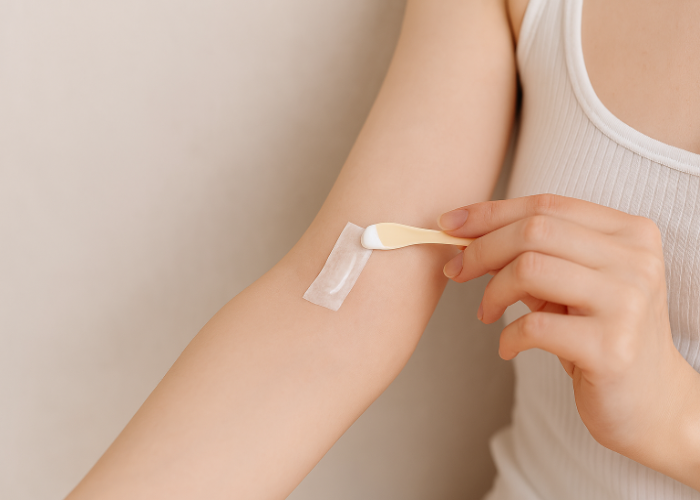
<p>Apply the product to a small, discreet area such as:</p>

<ul>
  <li>The inner forearm</li>
  <li>Behind the ear</li>
  <li>Along the jawline</li>
</ul>

<p>The skin should be clean and dry.</p>

<h3 id="step-2-apply-a-small-amount"><strong>Step 2: Apply a Small Amount</strong></h3>

<p>Use a pea-sized amount for creams or 1–2 drops for serums.<br />
Leave it uncovered unless the product instructions say otherwise.</p>

<h3 id="step-3-wait-24-hours"><strong>Step 3: Wait 24 Hours</strong></h3>

<p>Do not wash the area for 24 hours unless irritation occurs. Watch for:</p>

<ul>
  <li>Persistent redness</li>
  <li>Burning</li>
  <li>Itching</li>
  <li>Blistering</li>
  <li>Swelling</li>
</ul>

<p>If you experience severe discomfort, wash the area immediately and discontinue use.</p>

<h3 id="step-4-check-again-at-48-hours-optional-but-recommended"><strong>Step 4: Check Again at 48 Hours (Optional but Recommended)</strong></h3>

<p>Some reactions are delayed. Checking again after 48 hours gives additional reassurance — especially for active ingredients.</p>

<hr />

<h2 id="how-patch-testing-differs-for-active-ingredients">How Patch Testing Differs for Active Ingredients</h2>

<p>Certain ingredients deserve extra caution:</p>

<h3 id="retinol-and-retinoids"><strong>Retinol and Retinoids</strong></h3>
<p>Mild tingling can be normal. Significant redness, swelling, or prolonged burning is not.</p>

<h3 id="exfoliating-acids-ahas-bhas"><strong>Exfoliating Acids (AHAs, BHAs)</strong></h3>
<p>Brief tingling may occur. Strong stinging or visible inflammation suggests irritation.</p>

<h3 id="vitamin-c"><strong>Vitamin C</strong></h3>
<p>Some forms can cause mild temporary tingling. Persistent irritation is a warning sign.</p>

<h3 id="essential-oils"><strong>Essential Oils</strong></h3>
<p>These are common irritants. Patch testing is strongly recommended before facial use.</p>

<hr />

<h2 id="what-patch-testing-does-not-prevent">What Patch Testing Does <em>Not</em> Prevent</h2>

<p>Patch testing cannot predict:</p>

<ul>
  <li>Breakouts caused by pore-clogging ingredients</li>
  <li>Reactions that occur after cumulative use</li>
  <li>Interactions with other skincare products</li>
</ul>

<p>Introduce one new product at a time, ideally spaced 1–2 weeks apart.</p>

<hr />

<h2 id="signs-you-should-stop-using-a-product-immediately">Signs You Should Stop Using a Product Immediately</h2>

<ul>
  <li>Severe burning</li>
  <li>Swelling</li>
  <li>Hives</li>
  <li>Blistering</li>
  <li>Widespread rash</li>
</ul>

<p>If symptoms are significant or worsen, seek medical advice.</p>

<hr />

<h2 id="how-to-introduce-a-new-product-safely-beyond-patch-testing">How to Introduce a New Product Safely (Beyond Patch Testing)</h2>

<p>Even after a successful patch test:</p>

<ul>
  <li>Start using the product 2–3 times per week.</li>
  <li>Apply it at night if it’s an active ingredient.</li>
  <li>Moisturize well to support your skin barrier.</li>
  <li>Wear daily sunscreen.</li>
</ul>

<p>A slow introduction reduces irritation risk and helps your skin adjust.</p>

<hr />

<h2 id="frequently-asked-questions-faq">Frequently Asked Questions (FAQ)</h2>

<h3 id="how-long-should-i-patch-test-before-using-a-product"><strong>How long should I patch test before using a product?</strong></h3>
<p>At minimum, wait 24 hours. For active ingredients, 48 hours is ideal.</p>

<h3 id="can-i-patch-test-on-my-face"><strong>Can I patch test on my face?</strong></h3>
<p>Yes — applying along the jawline is common. The inner forearm is often safer for initial testing.</p>

<h3 id="what-if-i-feel-mild-tingling"><strong>What if I feel mild tingling?</strong></h3>
<p>Mild, brief tingling can occur with active ingredients. Persistent burning or redness is not normal.</p>

<h3 id="do-i-need-to-patch-test-products-labeled-for-sensitive-skin"><strong>Do I need to patch test products labeled “for sensitive skin”?</strong></h3>
<p>Yes. Marketing claims do not guarantee your skin will tolerate a product.</p>

<hr />

<h2 id="final-thoughts">Final Thoughts</h2>

<p>Patch testing takes a little patience — but it can prevent days (or weeks) of irritation.</p>

<p>When introducing new skincare, especially active ingredients like retinol, acids, or vitamin C, a careful and gradual approach protects your skin barrier and helps you build a routine that works long term.</p>

<p>Healthy skin isn’t about rushing into trends. It’s about informed, steady progress.</p>]]></content><author><name></name></author><category term="Skin Care" /><category term="patch testing" /><category term="skincare patch test" /><category term="how to patch test" /><category term="patch test instructions" /><category term="skincare irritation test" /><category term="allergy patch test skincare" /><category term="testing new skincare products" /><category term="sensitive skin patch testing" /><summary type="html"><![CDATA[A guide on how to patch test new skincare products safely.]]></summary><media:thumbnail xmlns:media="http://search.yahoo.com/mrss/" url="https://beautyblurbs.com/assets/images/Skin/Patch-text.webp" /><media:content medium="image" url="https://beautyblurbs.com/assets/images/Skin/Patch-text.webp" xmlns:media="http://search.yahoo.com/mrss/" /></entry><entry><title type="html">5 Simple Rules To Dilute Essential Oils</title><link href="https://beautyblurbs.com/rules-to-dilute-essential-oils/" rel="alternate" type="text/html" title="5 Simple Rules To Dilute Essential Oils" /><published>2026-03-08T00:00:00+00:00</published><updated>2026-03-08T00:00:00+00:00</updated><id>https://beautyblurbs.com/rules-to-dilute-essential-oils</id><content type="html" xml:base="https://beautyblurbs.com/rules-to-dilute-essential-oils/"><![CDATA[<figure>
  <img src="/assets/images/Skin/Dilute-Essential-Oil-700 (1).webp" alt="Dilute Essential Oils" />
  <figcaption></figcaption>
</figure>

<h2 id="introduction">Introduction</h2>

<p>Essential oils are powerful, highly concentrated plant extracts—but using them incorrectly can irritate or damage your skin. If you’re wondering how to dilute essential oils for skin safely, understanding proper dilution ratios is essential. In this guide, you’ll learn the correct percentages, see a quick dilution chart, and discover five simple rules to use essential oils safely and effectively.</p>

<h2 id="why-you-should-dilute-essential-oils">Why You Should Dilute Essential Oils</h2>

<p>Essential oils are extremely potent. When applied directly to the skin, they may cause irritation, redness, burning, or long-term sensitization. Proper dilution reduces these risks while allowing the oil to absorb more evenly into the skin.</p>

<p>Dilution also makes essential oils more economical. Because they are so concentrated, a small amount goes a long way when blended with a carrier oil. This allows you to create custom skincare blends, massage oils, or aromatherapy rollers without overwhelming your skin.</p>

<p>Another major benefit of dilution is customization. By adjusting the dilution ratio, you can create blends suitable for the face, body, or targeted areas while choosing carrier oils that match your skin type.</p>

<h2 id="essential-oil-dilution-ratios-for-skin-quick-chart">Essential Oil Dilution Ratios for Skin (Quick Chart)</h2>

<p>Below is a general dilution chart to help you understand safe essential oil dilution ratios:</p>

<table>
  <thead>
    <tr>
      <th style="text-align:center; font-weight: 900; background-color: #dea8b8;">Dilution %</th>
      <th style="text-align:center; font-weight: 900; background-color: #dea8b8;">Drops per 1 oz (30 ml) Carrier Oil</th>
      <th style="text-align:center; font-weight: 900; background-color: #dea8b8;">Best For</th>
    </tr>
  </thead>
  <tbody>
    <tr><td><strong>0.25%</strong></td><td>1–2 drops</td><td>Ultra-sensitive skin (with professional guidance)</td></tr>
    <tr><td><strong>0.5%</strong></td><td>3 drops</td><td>Facial skincare, elderly, sensitive skin</td></tr>
    <tr><td><strong>1%</strong></td><td>6 drops</td><td>Daily facial use, light body oils</td></tr>
    <tr><td><strong>2%</strong></td><td>12 drops</td><td>General adult use, massage oils</td></tr>
    <tr><td><strong>3%</strong></td><td>18 drops</td><td>Short-term targeted use</td></tr>
    <tr><td><strong>5%</strong></td><td>30 drops</td><td>Spot treatments only</td></tr>
    <tr><td><strong>10%+</strong></td><td>60+ drops</td><td>Professional supervision required</td></tr>
  </tbody>
</table>

<p><strong>Note:</strong> 1 oz = 30 ml = approximately 2 tablespoons.</p>

<h2 id="5-simple-rules-to-dilute-essential-oils-safely">5 Simple Rules to Dilute Essential Oils Safely</h2>

<h3 id="1-choose-the-right-carrier-oil">1. Choose the Right Carrier Oil</h3>

<p>Carrier oils dilute essential oils and help them spread evenly across the skin. They also provide additional skincare benefits. Popular carrier oils include:</p>

<ul>
  <li>Jojoba oil — balanced or acne-prone skin</li>
  <li>Grapeseed oil — oily skin</li>
  <li>Argan oil — dry or mature skin</li>
  <li>Hemp seed oil — acne-prone skin</li>
  <li>Fractionated coconut oil — lightweight body blends</li>
</ul>

<h3 id="2-follow-proper-dilution-ratios">2. Follow Proper Dilution Ratios</h3>

<p>For most adults, a <strong>2–3% dilution</strong> (12–18 drops per 1 oz carrier oil) works well for body application.</p>

<ul>
  <li>Sensitive skin, children, elderly: <strong>0.5–1%</strong></li>
  <li>Facial skincare: <strong>0.2–1%</strong></li>
  <li>Spot treatments (short-term): <strong>Up to 5%</strong></li>
</ul>

<p>Essential oils used in diffusers do <strong>not</strong> require carrier oils—always follow manufacturer instructions.</p>

<h3 id="3-mix-thoroughly">3. Mix Thoroughly</h3>

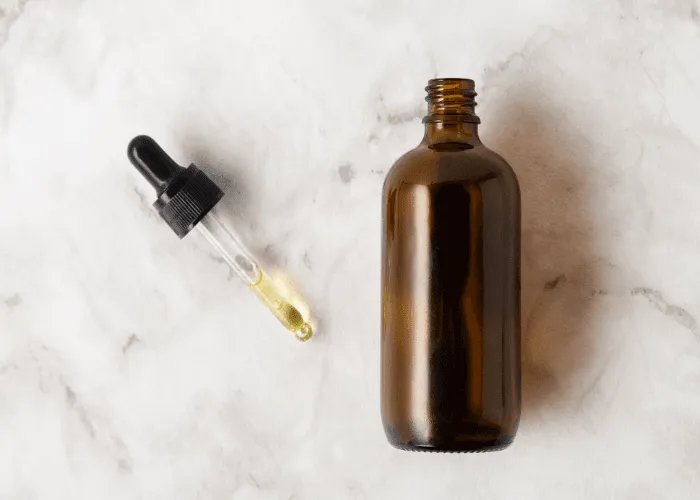
<p>Combine your measured carrier oil and essential oil in a clean, dark glass bottle. Secure the lid and roll the bottle gently between your palms for 10–15 seconds to ensure even distribution.</p>

<h3 id="4-perform-a-patch-test">4. Perform a Patch Test</h3>

<p>Apply a small amount of the diluted mixture to the inside of your forearm and wait 24 hours. If irritation occurs, discontinue use. Patch testing helps prevent unexpected skin reactions.</p>

<h3 id="5-apply-safely">5. Apply Safely</h3>

<p>After a successful patch test, apply the diluted oil to the desired area and massage gently until absorbed. Avoid contact with eyes, mucous membranes, inner ears, and broken skin.</p>

<p>Store blends in a cool, dark place. Keep in mind that some essential oils—especially citrus oils—can increase sun sensitivity, so daily sunscreen is recommended when applying them to exposed skin.</p>

<h2 id="frequently-asked-questions-faq">Frequently Asked Questions (FAQ)</h2>

<h3 id="can-i-apply-essential-oils-directly-to-my-skin">Can I apply essential oils directly to my skin?</h3>
<p>It is not recommended. Undiluted essential oils can cause irritation, burning, or sensitization. Always dilute essential oils with a suitable carrier oil before topical use.</p>

<h3 id="what-happens-if-i-dont-dilute-essential-oils">What happens if I don’t dilute essential oils?</h3>
<p>Applying essential oils without dilution may lead to redness, stinging, rashes, or long-term skin sensitivity. Proper dilution significantly reduces these risks.</p>

<h3 id="what-is-the-safest-dilution-ratio-for-the-face">What is the safest dilution ratio for the face?</h3>
<p>The safest dilution for facial skincare is <strong>0.2%–1%</strong>, which equals approximately <strong>1–6 drops per 1 oz (30 ml)</strong> of carrier oil.</p>

<h3 id="which-carrier-oil-is-best-for-acne-prone-skin">Which carrier oil is best for acne-prone skin?</h3>
<p>Lightweight, non-comedogenic oils such as <strong>grapeseed oil</strong>, <strong>jojoba oil</strong>, and <strong>hemp seed oil</strong> are excellent choices for acne-prone skin.</p>

<h2 id="final-thoughts">Final Thoughts</h2>

<p>Knowing how to dilute essential oils for skin properly is essential for safe and effective use. By following the correct dilution ratios, choosing the right carrier oil, and performing patch tests, you can enjoy the benefits of essential oils while minimizing the risk of irritation. Start with lower concentrations, listen to your skin, and adjust gradually as needed.</p>]]></content><author><name></name></author><category term="Skin Care" /><category term="skin care" /><category term="skincare" /><category term="essential oils" /><category term="dilute essential oils" /><summary type="html"><![CDATA[A guide on bakuchiol, the retinol alternative.]]></summary><media:thumbnail xmlns:media="http://search.yahoo.com/mrss/" url="https://beautyblurbs.com/assets/images/Skin/Dilute-Essential-Oil-700%20(1).webp" /><media:content medium="image" url="https://beautyblurbs.com/assets/images/Skin/Dilute-Essential-Oil-700%20(1).webp" xmlns:media="http://search.yahoo.com/mrss/" /></entry></feed>