
How to Choose the Best Foundation for Dry Skin
Introduction
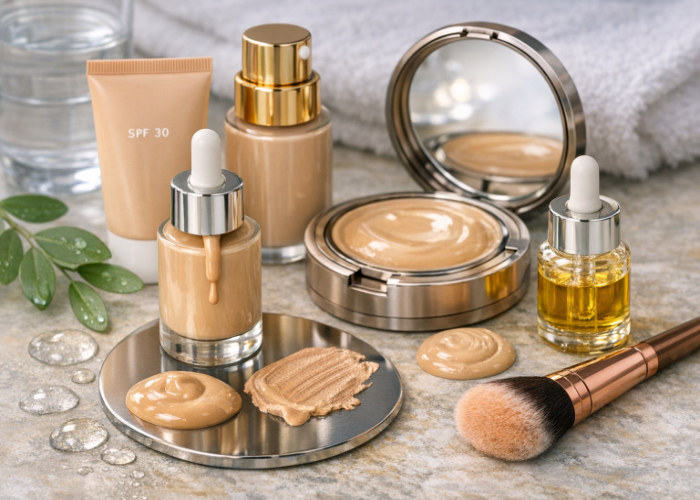
If you have dry skin, you already know the struggle: foundation that looks patchy by noon, formulas that cling to flakes, or makeup that seems to disappear the moment you apply it. Dry skin needs a little extra care — and the right foundation can make all the difference. With the proper ingredients, texture, and finish, your base makeup can look smooth, radiant, and comfortable all day long.
This guide walks you through everything you need to know about choosing the best foundation for dry skin, from hydrating ingredients to application techniques that help your makeup look its absolute best.
How to Choose a Foundation for Dry Skin
Dry skin thrives when makeup works with it, not against it. Here’s what to look for when choosing a foundation that supports hydration, glow, and long‑lasting comfort.
Hydrating Ingredients
A foundation for dry skin should feel like skincare with pigment. Look for formulas that include:
- Hyaluronic acid — draws moisture into the skin for a plump, smooth finish
- Glycerin — a humectant that helps maintain hydration throughout the day
- Squalane — lightweight, non‑greasy moisture that mimics your skin’s natural oils
- Ceramides — help strengthen the skin barrier
- Nourishing oils like jojoba, argan, marula, or rosehip
These ingredients help prevent tightness, flaking, and the dreaded “foundation cracking” effect.
Dewy or Luminous Finish
Dry skin looks its healthiest with a soft glow. Dewy or radiant foundations:
- Add life back into dull skin
- Blur dry patches instead of highlighting them
- Create a fresh, youthful finish
- Pair beautifully with cream blushes and highlighters
Avoid matte or long‑wear matte formulas — they often contain oil‑absorbing ingredients that can make dryness more noticeable.
Cream or Liquid Textures
Texture matters just as much as ingredients. Cream and liquid foundations are ideal because they:
- Melt into the skin instead of sitting on top
- Blend easily without tugging
- Provide flexible coverage
- Stay comfortable throughout the day
Stick foundations can also work well if they have a creamy, emollient base.
Powder foundations, on the other hand, tend to emphasize dryness and are best avoided unless used sparingly for setting.
Choose the Right Coverage Level
Your ideal coverage depends on your skin goals:
- Light coverage — perfect for a natural, everyday look
- Medium coverage — evens tone while still looking skin‑like
- Full coverage — great for special occasions or concealing discoloration
Dry skin often looks best with light to medium coverage because it moves more naturally with the skin and avoids cakiness.
Non‑Comedogenic Formulas
Even dry skin can break out. Choosing a non‑comedogenic foundation helps prevent:
- Clogged pores
- Irritation
- Texture buildup
This is especially important if your skin is dry and sensitive.
SPF as a Bonus
While sunscreen should always be applied separately, foundations with SPF offer:
- Extra UV protection
- Convenience for touch‑ups
- Added defense against premature aging
Look for SPF 20–30 for daily wear, but don’t rely on foundation alone for full protection.
Long‑Wearing Comfort
Dry skin doesn’t need a heavy, long‑wear matte formula — it needs a foundation that stays hydrated. Look for claims like:
- “Hydrating wear”
- “Comfortable all day”
- “Moisture‑locking”
- “Skin‑nourishing”
These formulas maintain a fresh, smooth appearance without settling into lines.
Extra Tips for Applying Foundation on Dry Skin
Choosing the right foundation is only half the equation — how you apply it matters just as much. Here are some pro tips to help your base look flawless.
Prep With Skincare
A hydrated base makes every foundation look better. Before applying makeup:
- Use a gentle, hydrating cleanser
- Apply a humectant serum (like hyaluronic acid)
- Follow with a rich moisturizer
- Add a hydrating primer if you need extra slip
Use a Damp Sponge
A damp makeup sponge helps:
- Press foundation into the skin
- Prevent streaks
- Add a natural, dewy finish
- Avoid lifting dry patches
Avoid Heavy Powder
If you need to set your makeup:
- Use a finely milled, hydrating setting powder
- Apply only to areas that crease (under eyes, smile lines)
- Skip powder on dry zones like cheeks
Try Mixing Techniques
For an extra boost of hydration, mix your foundation with:
- A drop of facial oil
- A hydrating primer
- A lightweight moisturizer
This creates a custom tinted moisturizer effect.
Conclusion
Finding the best foundation for dry skin is all about choosing formulas that nourish, hydrate, and enhance your natural glow. With the right ingredients, texture, and application techniques, you can achieve a smooth, radiant complexion that lasts all day — without settling, flaking, or feeling tight.
Whether you love a sheer, skin‑tint look or prefer medium coverage with a luminous finish, there’s a perfect foundation out there waiting for you. Explore different formulas, pay attention to how your skin feels, and enjoy the process of discovering your ideal match.
🗨️ Reader Comments