
Bakuchiol: A Gentle Alternative for Smoother, Younger-Looking Skin
Bakuchiol vs Retinol: Is This Gentle Alternative Worth It?
Retinol has long been considered the gold standard for reducing fine lines, improving skin texture, and boosting collagen. But for many people, it also comes with dryness, peeling, redness, and irritation.
That’s where bakuchiol comes in.
Often called a “natural retinol alternative,” bakuchiol has gained popularity for offering similar anti-aging benefits — without the harsh side effects. But does the science actually support that claim?
Let’s break it down in a clear, practical way.
What Is Bakuchiol?
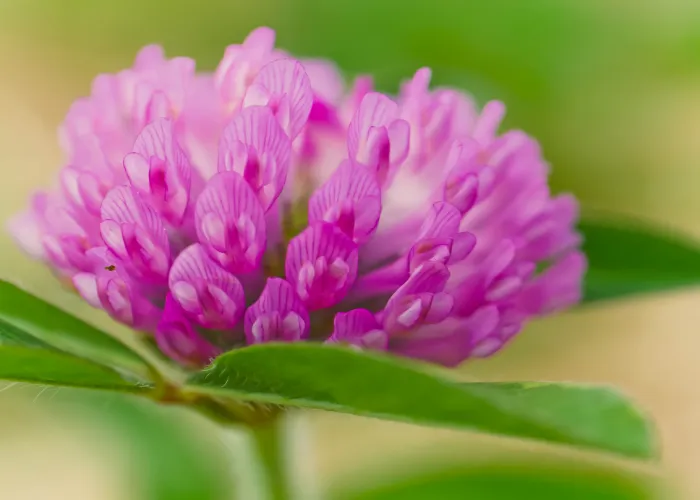
Bakuchiol (pronounced buh-KOO-chee-all) is a plant-derived compound extracted from the seeds of Psoralea corylifolia (also known as Cullen corylifolium) [1].
Although it’s often marketed as a natural version of retinol, bakuchiol is not a retinoid and is not chemically related to vitamin A. Instead, it appears to trigger similar skin-renewing pathways — but through different mechanisms.
How Bakuchiol Works (The Science Made Simple)
1. Encourages Collagen Production
Collagen keeps skin firm and smooth, but production declines with age.
Research shows that bakuchiol can stimulate genes involved in producing collagen types I, III, and IV — the same types influenced by retinol [2].
2. Helps Protect Against Collagen Breakdown
Skin contains enzymes called matrix metalloproteinases (MMPs), which break down collagen, especially after sun exposure.
Bakuchiol appears to help regulate these enzymes, reducing collagen degradation [2].
3. Works as an Antioxidant
Bakuchiol has demonstrated antioxidant properties, helping neutralize free radicals from UV rays and pollution [3]. This may support:
- Improved skin tone
- Reduced dullness
- Protection against environmental damage
4. Does Not Bind to Retinoid Receptors
Retinol works by binding directly to retinoid receptors in skin cells.
Bakuchiol does not bind to these receptors. Instead, it influences gene expression through alternative pathways, which may explain why it produces similar visible results with less irritation.
What Does the Research Say?
A well-known clinical study published in the British Journal of Dermatology compared bakuchiol and retinol [4].
- 44 participants with visible photoaging
- 0.5% bakuchiol (twice daily)
- 0.5% retinol (once daily)
- 12 weeks
Results:
- Both groups showed improvement in wrinkles and hyperpigmentation
- No significant difference in effectiveness
- Retinol users experienced more scaling and stinging
This suggests bakuchiol may offer comparable visible results — with better tolerability. However, retinol still has decades of research behind it.
Bakuchiol vs Retinol: Key Differences
If you’re wondering whether you should stick with retinol or try the bakuchiol, this quick comparison lays out the basics. Think of it as a cheat sheet for irritation levels, sun sensitivity, and how much research each ingredient actually has behind it.
| Feature | Retinol | Bakuchiol |
|---|---|---|
| Irritation Risk | Common during adjustment period | Generally lower |
| Sun Sensitivity | Increases photosensitivity | No strong evidence of increased photosensitivity |
| Research History | Extensive (decades) | Emerging |
Is Bakuchiol Good for Sensitive Skin?
Many people with sensitive or reactive skin find bakuchiol easier to tolerate than retinol.
However:
- It is still an active ingredient
- Patch testing is recommended
- Irritation is possible, though less common
How to Use Bakuchiol in Your Routine
Most commercial products contain 0.5%–1% bakuchiol. Follow your product’s instructions.
- Apply to clean, dry skin
- Use once or twice daily depending on formulation
- Follow with moisturizer
- Wear sunscreen daily
Bakuchiol does not need to be diluted when purchased in a formulated skincare product.
Limitations to Keep in Mind
- Fewer large-scale clinical trials
- Limited long-term data
- Not as extensively studied for acne treatment
Retinol remains the most thoroughly researched topical anti-aging ingredient.
Final Thoughts
Bakuchiol isn’t a miracle ingredient — but it is a promising one.
It supports collagen production, provides antioxidant protection, and may improve signs of photoaging with fewer irritation issues than retinol. For many people, especially those with sensitive skin, it can be a practical alternative.
As always:
- Choose reputable brands
- Patch test first
- Consult a dermatologist if pregnant, nursing, or managing skin conditions
Refer to the post How to Patch Test New Skincare Products Safely for detailed instructions.
Frequently Asked Questions (FAQ)
1. Is bakuchiol as effective as retinol?
One clinical study found that 0.5% bakuchiol improved fine lines and hyperpigmentation similarly to 0.5% retinol over 12 weeks. However, retinol has decades of supporting research, while bakuchiol studies are more limited.
2. Does bakuchiol cause irritation like retinol?
Bakuchiol is generally better tolerated and less likely to cause peeling, redness, or dryness. Patch testing is still recommended.
3. Can you use bakuchiol every day?
Most formulations are designed for once or twice daily use. Follow your product’s directions and introduce gradually if you have sensitive skin.
4. Does bakuchiol increase sun sensitivity?
Unlike retinol, bakuchiol has not been shown to significantly increase photosensitivity. Daily sunscreen is still essential.
5. Can bakuchiol be used during pregnancy?
Bakuchiol is not a retinoid, but research on pregnancy safety is limited. Consult a healthcare professional before use.
6. What percentage of bakuchiol is most effective?
Most studies and products use 0.5%–1%. Effectiveness depends on formulation quality and consistency of use.
7. Can bakuchiol help with acne?
Early research suggests possible anti-inflammatory and antibacterial benefits, but it is not as extensively studied for acne as retinoids.
References
- Sahu PK, et al. Phytochemical and pharmacological review of Psoralea corylifolia. Pharmacogn Rev. 2014.
- Chaudhuri RK, Bojanowski K. Bakuchiol: A retinol-like functional compound revealed by gene expression profiling. Int J Cosmet Sci. 2014.
- Dhaliwal S, et al. Prospective randomized assessment of topical bakuchiol and retinol for facial photoaging. Br J Dermatol. 2019.
- British Journal of Dermatology clinical comparison study (2018/2019 publication data).
🗨️ Reader Comments